Comprehensive Digital Design Strategies for SaaS & Tech Brands
Hi there, I’m Dillion Hughes, a Project Manager here at Evietek. For the past three plus years, I've been deep in the trenches, helping SaaS and tech companies build and refine their digital presences. One thing I’ve seen time and again is that a fantastic product can still fail to connect with users if its design doesn't hit the mark. The digital world we operate in is incredibly crowded! So, how do you make your brand stand out? It all comes down to smart, user focused design.
A truly powerful product is just the start of the journey. What really distinguishes a brand and fosters long term success often comes down to outstanding design. In fact, research from industry leaders like Forrester has shown that a deep investment in user experience can yield a staggering return on investment, sometimes as high as 9,900% for a SaaS company. This goes far beyond simple looks; it involves building intuitive, captivating, and fluid experiences that convert users into dedicated fans. This article will guide you through extensive digital design strategies that will not only attract your audience but also generate tangible business outcomes in 2025 and the years ahead. Let’s get started!
Key Takeaways: Your Fast Track to Better Design Strategy
Always Start with the User: Before any design work begins, invest time in understanding your audience. Conduct user research, create personas, and map their journey. Your users' needs should dictate every design decision you make.
Simplicity and Clarity Win: A clean, intuitive interface is more effective than a complex one. Prioritize simplicity to reduce user frustration and help them achieve their goals effortlessly. Ensure your design works flawlessly on all devices, especially mobile.
Onboarding is Your First Impression: The initial moments a user spends with your product are crucial. A smooth, guided onboarding experience that quickly demonstrates value can dramatically reduce churn and increase long-term adoption.
Design for Conversions, Not Just Aesthetics: A beautiful design is good, but a design that converts visitors into customers is better. Use clear value propositions, strategically placed calls-to-action (CTAs), and social proof like testimonials to build trust and guide users to take action.
Embrace Continuous Improvement: Don't treat design as a one-and-done project. Adopt a Growth-Driven Design (GDD) mindset, where you launch quickly and then continuously test, learn, and iterate based on real user data. This agile approach minimizes risk and maximizes results over time.
Content and Design Are a Team: The words on your site are as much a part of the design as the visuals. Integrating content design from the start ensures your message is clear, accessible, and effective, which benefits both user experience and SEO.
Answering Your Questions: Design Strategy Explained
Let's quickly address some common questions to set a clear foundation for our deep dive.
Frequently Asked Questions
A digital design strategy is a comprehensive plan that aligns the visual and interactive elements of a brand’s online presence with its overarching business goals. It's about making intentional design choices, from the user interface of an app to the layout of a website, to meet user needs and drive specific outcomes like engagement, conversions, and brand loyalty. It connects creative solutions to your company's objectives.
They are related but not the same. Graphic design traditionally focuses on static visual communication, think logos, brochures, and print ads. Digital design is broader and interactive, encompassing UI/UX, websites, apps, and animations. While digital design uses graphic design principles, its primary focus is on the user's interaction and experience with a digital product or platform.
The direct opposite of digital design would be analog or print design. This includes any design work created for physical media, such as magazines, newspapers, books, billboards, and packaging. The key difference is the medium and the lack of interactivity; print design is a static, one way communication channel.
The Foundation: A User-Centric Design Philosophy
Everything you build should start and end with the user. It sounds simple, but it’s a principle that many brands forget in the race to launch new features. A user centric design philosophy is not just a buzzword; it’s a commitment to crafting experiences that are genuinely helpful and enjoyable for your audience. This entire philosophy, often referred to as User-Centered Design, is the bedrock of modern, effective digital products.
- Putting the User First: At its core, a user centric approach requires a deep empathy for your audience. You need to understand their goals, what frustrates them, and what they need to succeed. This means every design decision, from the color of a button to the flow of a signup form, must be viewed through the lens of the user. Your goal is to create interfaces that feel intuitive and engaging, making the user feel smart and capable.
- Conducting Thorough User Research: You can't put the user first if you don't know who they are. Assumptions are the enemy of good design. It is vital to gather both qualitative and quantitative data. This research can take many forms, including surveys to gather broad opinions, one on one interviews for deeper insights, and usability testing to observe how people actually interact with your product. Developing detailed user personas from this data helps your entire team stay aligned on who you're designing for.
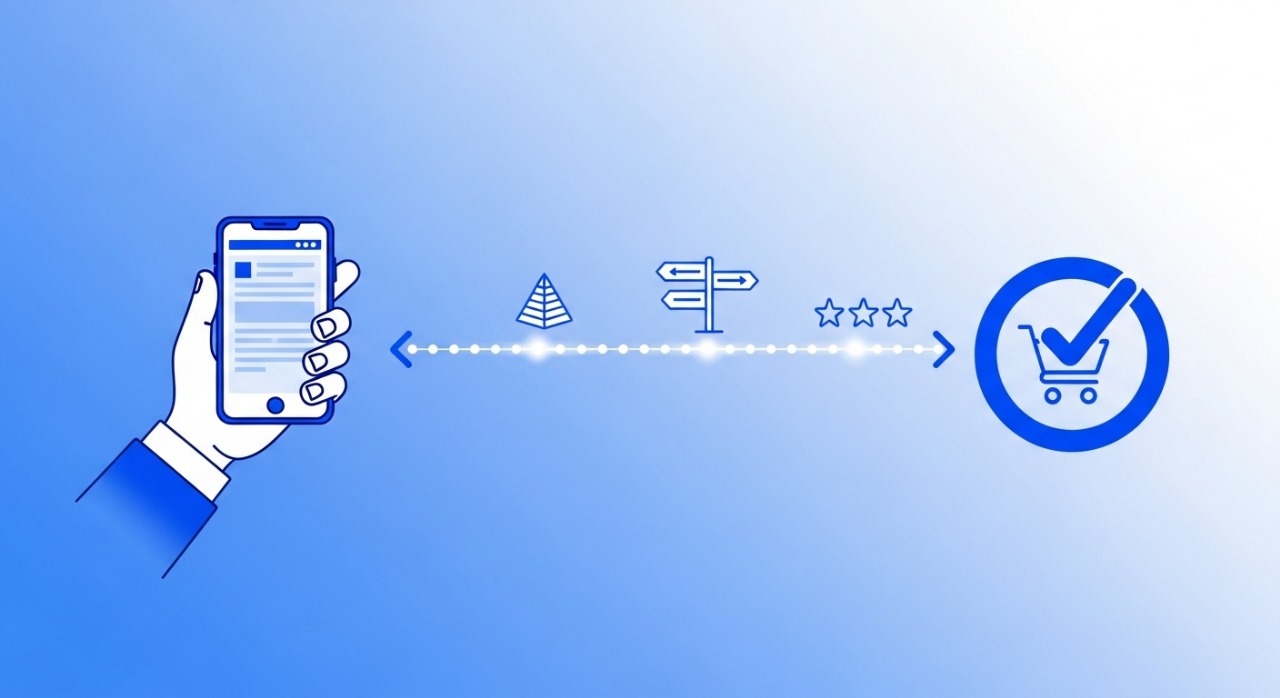
- Mapping the User Journey: Once you understand your users, you need to map out their entire experience with your brand. A customer journey map is a visual representation of every single touchpoint, from the moment they first hear about your product to when they become a long term, loyal customer. This exercise is incredibly valuable for identifying potential pain points and opportunities where a thoughtful design intervention can make a significant difference.
Crafting an Intuitive UI/UX for Seamless Interaction
With a solid user-centric foundation, you can start building the actual interface. The goal of User Interface (UI) and User Experience (UX) design is to make interaction with your software feel effortless and natural. When done well, users don’t even notice the design; they just accomplish their tasks smoothly. This is a critical part of any digital design strategy. A well-designed interface can be the deciding factor between a product users love and one they abandon.
- Prioritizing Simplicity and Clarity: In the tech world, complexity can often be mistaken for sophistication. However, the best designs are usually the simplest. A clean, uncluttered interface minimizes cognitive load, allowing users to concentrate on their objectives without needless distractions. This clarity improves a user's ability to quickly comprehend and use your software, fostering a sense of competence and satisfaction. Companies like Dropbox excel at this, conveying all necessary information on their homepage without overwhelming the user.
- Implementing Responsive and Mobile First Design: Today, users access software from a multitude of devices. A mobile first approach is no longer optional. It dictates that you design for the smallest screen first and then scale up. This process ensures a consistent and positive user experience no matter the device, from a smartphone on a morning commute to a desktop in the office.
- Fostering an Engaging Onboarding Experience: The first few interactions a new user has with your software are critical. A well designed onboarding process can be the difference between a lifelong customer and a quick churn. Your onboarding should be educational without being overwhelming. Use it as an opportunity to demonstrate your product’s value quickly and guide users to that "aha!" moment where they truly understand how it can help them. Tools like Toggl provide a great example of breaking onboarding into short, manageable tours.
- Leveraging Micro-interactions: These are the small, subtle animations and visual responses that happen when a user interacts with an interface. Think about the small bounce an icon makes when you tap it or the smooth transition when a new menu slides out. These micro-interactions provide valuable feedback, making the interface feel more alive, responsive, and satisfying to use. Asana, for example, uses a celebratory unicorn animation when tasks are completed, adding a touch of delight.
Key Design Strategies for SaaS and Tech in 2025
The digital landscape is always shifting, and staying ahead of the curve is crucial for success. For 2025, several trends are shaping how effective design strategies are formulated and executed. Embracing these shifts will help your brand remain relevant and appealing to modern users. Clean layouts and high contrast palettes are becoming increasingly important for standing out on screens.
- AI Powered Personalization: Artificial intelligence and machine learning are no longer just for data scientists. In design, AI can be used to analyze user behavior in real time and deliver highly tailored experiences. Imagine an interface that intelligently suggests the features a specific user might need next or customizes content based on their past interactions. This level of personalization makes users feel understood and valued.
- The Rise of Dark Mode and Bold Typography: Dark mode has moved beyond being a niche preference to a mainstream feature. It's easier on the eyes in low light conditions and can save battery life on certain screens. Beyond its practical benefits, a well executed dark mode gives a product a sleek, modern aesthetic. This is often paired with bold, impactful typography, which helps create a strong visual hierarchy and makes content more scannable and digestible.
- The Power of Minimalism: Purposeful minimalism continues to be a powerful trend. This is not just about using a lot of white space; it's about making conscious choices to remove everything that is not essential. A minimalist approach, as seen in the designs of companies like Medium, helps to highlight what is most important, your product and the value it provides to the user. This strips away distractions and places the focus squarely on the user's task.
Content Design: More Than Just Words
Many people think of "design" as purely visual, but the words you use and how you present information are a massive part of the user experience. Content design is a discipline that bridges the gap between writing and design, ensuring that information is not just present, but also accessible, usable, and easy to understand for the target audience.
- Integrating Content with Design: In the best products, content and design are developed in tandem, not in silos. Content design ensures that the copy on a button is as thoughtfully considered as the button’s color and placement. It’s a user-centered approach that focuses on presenting information in the most effective way possible, whether that’s through clear headlines, concise instructions, or helpful tooltips.
- The Impact on SEO and User Engagement: Search engines are getting smarter. They don't just scan for keywords; they assess the quality and usability of your content. A well designed page with clear, helpful information encourages users to stay longer and engage more deeply. This increased dwell time is a positive signal to Google, which can in turn boost your SEO ranking.
- Creating Interactive and Engaging Content: Content doesn’t have to be static. Interactive elements like quizzes, polls, calculators, and animated infographics can transform a passive reading experience into an active one. Genvid Technology, for instance, uses interactive animations to demonstrate their complex tech in a simple, engaging way. This not only increases user engagement but also makes complex information more memorable and understandable.
Adopting a Growth Driven Design (GDD) Mentality
Traditional web design often involves a long, intensive launch process, followed by another major redesign a few years later. This model is slow, risky, and often out of sync with user needs by the time it finally goes live. Growth-Driven Design offers a smarter, more agile alternative that is perfectly suited for the fast paced world of SaaS and tech.
- What is Growth Driven Design?: GDD is an iterative approach that flips the traditional model on its head. Instead of trying to build the "perfect" website in one go, you start by launching a "Launch Pad" site quickly. This initial site is not the final product but the foundation for continuous learning and improvement. Then, based on real user data and analytics, you continuously refine and add to the site in an ongoing cycle.
- Benefits of GDD for SaaS and Tech: The primary benefit of GDD is that it minimizes the risks associated with large scale redesigns. Decisions are based on data, not assumptions. This approach is also more cost effective over the long run and ensures that your digital presence is constantly evolving to better meet the needs of your users. It allows you to be more responsive to market changes and user feedback.
- Implementing GDD: The GDD process generally follows three key phases. First is the Strategy phase, where you define goals and research your users. Second is the Launch Pad phase, where you quickly build and launch a site that is better than your current one but not yet perfect. The final and ongoing phase is Continuous Improvement, where you use data from your Launch Pad site to identify high impact areas for improvement and implement changes in a cyclical manner.
Conversion Focused Design: Turning Visitors into Customers
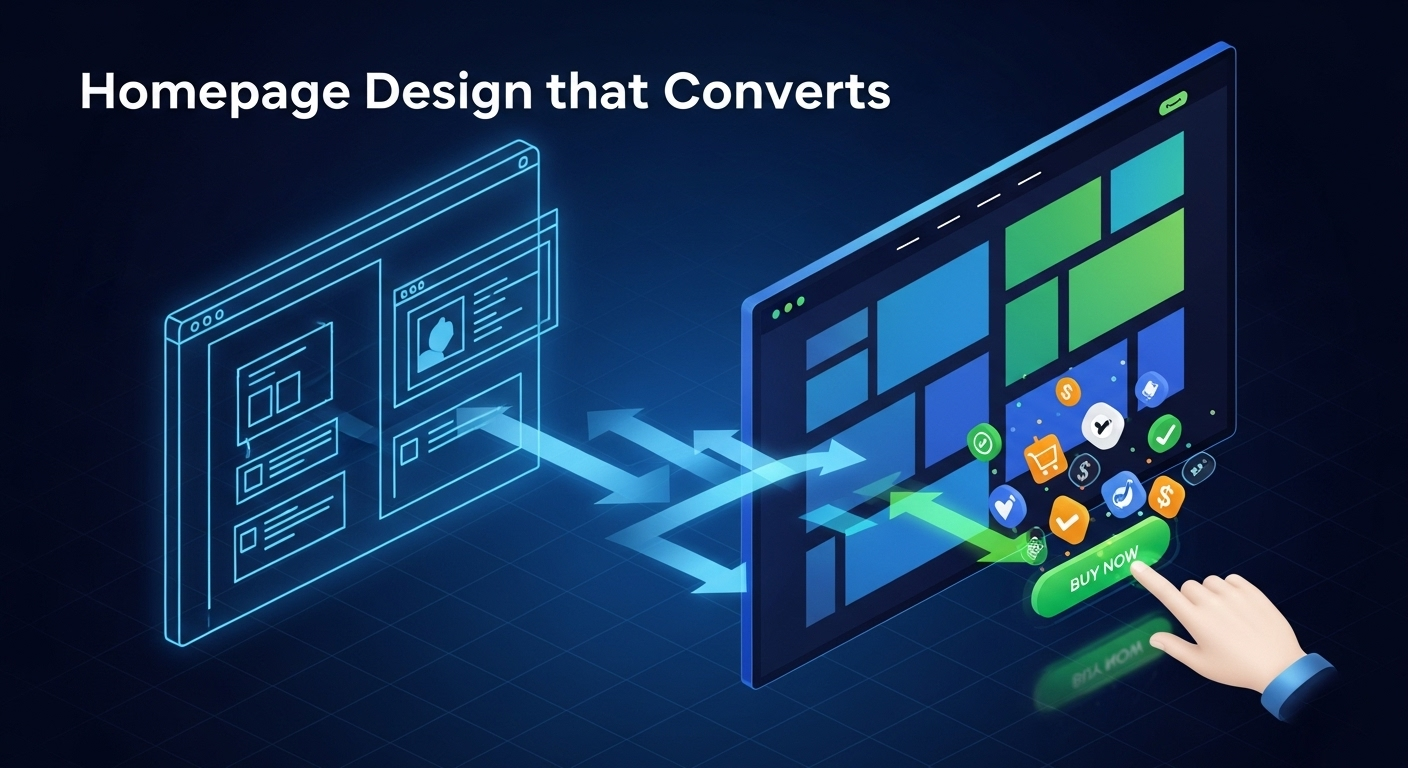
Ultimately, for any SaaS or tech brand, the goal of design is not just to be beautiful, it's to drive business results. Conversion focused design applies strategic principles to guide visitors toward a desired action, whether that's signing up for a free trial, requesting a demo, or making a purchase. Every element on the page should serve this purpose.
- Crafting a Compelling Value Proposition: Your value proposition is the first thing a visitor should see and understand. It needs to clearly and concisely answer three questions: What does your product do? What problem does it solve? Why is it better than the alternatives? This should be front and center, communicated with impactful language and supporting visuals.
- Strategic Placement of CTAs: Your Calls to Action (CTAs) are the signposts that guide your users. They should be visually prominent, using contrasting colors and clear, action oriented language like "Start Your Free Trial" or "Get Started Now." The placement is just as important. CTAs should appear at logical endpoints in the user's journey, making it easy for them to take the next step when they are ready. Appcues does a great job of this with a clear value proposition followed by a compelling CTA.
- Building Trust with Social Proof: People trust other people more than they trust brands. Social proof is a powerful tool for building credibility and alleviating any hesitation a potential customer might have. Prominently display things like customer testimonials, user reviews, ratings, case studies, and the logos of well known companies you work with. This demonstrates that other people have found value in your product, making new visitors feel more confident in their decision.
Graphic Design Strategy and Digital Design Examples
A graphic design strategy is the thoughtful plan that guides how visual elements are used to communicate a brand's mission and values. It’s about more than just aesthetics; it's a strategic approach to building an emotional connection with your audience and supporting long term business growth. A good strategy ensures consistency and helps differentiate a brand from its competitors. This involves defining goals, researching the market, and establishing a clear brand identity with elements like logos, color palettes, and typography.
Let's look at a few examples:
- Slack: Slack's website and application design are a masterclass in clarity and friendliness. They use a playful color palette, friendly illustrations, and clear typography to make a business communication tool feel approachable and easy to use. Their onboarding process seamlessly guides new users through the platform's core features.
- Figma: As a design tool itself, Figma's own digital design is under a lot of scrutiny, and it delivers. The interface is incredibly clean and intuitive, with a workspace that allows for deep focus. Their website uses interactive elements and clear case studies to showcase the collaborative power of their platform, effectively selling the product by demonstrating its capabilities.
- Mailchimp: Mailchimp has long been recognized for its excellent design. Their mascot, Freddie, adds a touch of personality and warmth to the brand. Their UI makes the potentially complex process of creating email campaigns simple and visual. They maximize usability and use space effectively, making their tools feel powerful yet accessible to everyone.
Conclusion
In the dynamic and fiercely competitive world of SaaS and tech, an effective design strategy is not a luxury, it is the very engine of growth and user loyalty. Moving beyond simple aesthetics, you must adopt a user centric philosophy that places the needs and goals of your audience at the heart of every decision. By focusing on creating an intuitive UI/UX, you can lower friction and make your products a joy to use. Staying current with modern design trends like AI personalization and purposeful minimalism will ensure your brand feels fresh and relevant.
Always remember that design is a continuous conversation, not a one time announcement. Embracing a growth driven design mindset allows you to learn, adapt, and consistently refine your digital presence based on real user behavior. When you combine this iterative approach with a sharp focus on conversion, you create a powerful system for turning casual visitors into dedicated customers and advocates for your brand. Now is the perfect moment to invest in your design strategy. Begin the journey, unlock your brand’s true potential, and build experiences that truly connect.