Digital Design Strategies for SaaS & Tech | The Comprehensive Guide for 2025
Hey there, I'm Dillion Hughes. As a Project Manager at Evietek, I've had a front-row seat to the incredible evolution of the digital world. I didn't start out as a design expert; I built my skills from the ground up, focusing on what the market truly needs and what genuinely clicks with my personality. Now, through this blog, I want to share some of that practical knowledge with you, helping you find the digital skills that fit, not just the ones that are trendy.
In the fiercely competitive SaaS and tech landscape, a powerful digital design strategy is no longer a luxury, it's the absolute cornerstone of success. A well-designed user interface can boost your website's conversion rate by up to 200%. That's a staggering figure! In a market where 99% of organizations use at least one SaaS solution, standing out requires more than just innovative features; it demands a seamless and engaging user experience. This guide will walk you through comprehensive design strategies that will not only captivate your audience but also transform them into loyal customers. Let's dive in and future-proof your brand!
TL;DR: The Short Answer
Brand Identity is Foundational: A strong brand, encompassing your mission, visuals, and voice, builds essential trust and credibility in the tech space.
User-Centricity is Non-Negotiable: Mastering UI/UX by prioritizing simplicity, intuitive navigation, and continuous user testing is key to reducing churn and retaining customers.
Adopt an Agile Approach: Growth-Driven Design (GDD) offers a data-driven, iterative process for website development that aligns perfectly with the fast-paced SaaS environment.
Design for Conversion: Every design element should guide users toward valuable actions, using clear value propositions, compelling CTAs, and social proof to turn visitors into customers.
Stay Ahead of Trends: Embracing emerging technologies like AI, AR, and VR in your design strategy will keep your brand relevant and provide innovative user experiences.
The Foundation: Building a Strong Brand Identity
Your brand is so much more than just a logo; it's the entire perception and experience you create for your users. For tech companies, a strong brand builds trust and credibility, which is critical when dealing with sensitive data and complex products. A well-defined brand identity sets you apart and clearly communicates your unique value proposition. It's about telling your story in a way that resonates with your audience and makes your company memorable.
Defining Your Core Mission and Values
Before you even think about colors or fonts, you need to understand the "why" behind your brand. What is your company's mission? What are the core values that guide your decisions? Answering these questions provides the foundation for every other branding element. This internal clarity translates into external consistency that customers can feel and trust.
- Establish your mission, vision, and core values to build a solid brand foundation.
- Develop a compelling brand story that connects with users on an emotional level.
- Define your unique value proposition to differentiate yourself in a crowded market.
Crafting a Cohesive Visual Identity
Once your strategy is set, it's time to bring it to life visually. Your visual identity is the face of your company. It includes your logo, color palette, and typography. These elements should work together harmoniously across all platforms to create a recognizable and professional image. Consistency here is key to building brand recognition and trust.
- Develop a memorable logo, a strategic color palette, and consistent typography.
- Create a distinct brand voice and tone that resonates with your target audience.
- Ensure consistency across all digital touchpoints from your website to your social media.
User-Centricity is Key: Mastering UI/UX Design
In the world of SaaS, user experience (UX) and user interface (UI) design are paramount. A positive user experience is a significant factor in reducing churn and increasing customer retention. The goal is to create an intuitive, efficient, and enjoyable experience that empowers users. When users find your product easy and pleasant to use, they're more likely to stick around.
What is a user-centric design approach?
A user-centric design process is an iterative methodology that focuses on users and their needs in each phase of the design process. It involves understanding the user's context, specifying their requirements, designing solutions, and evaluating those solutions against the user's needs. This approach helps create products that are not only functional but also highly usable and valuable to the end-user.
- Embrace simplicity and clarity with clean layouts and generous white space to avoid overwhelming users.
- Implement intuitive navigation to help users find what they need effortlessly. A powerful search tool can also be a significant asset.
- Maintain a consistent design language in UI elements like buttons, icons, and color schemes across your entire platform.
How does user research improve design?
User research is the bedrock of effective UI/UX design. It involves a variety of methods to understand user behaviors, needs, and motivations. By conducting thorough user research, you can move beyond assumptions and make data-informed decisions that lead to better design outcomes.
- Conduct thorough user research to understand your audience's needs and pain points.
- Continuously test your design to gather feedback and identify areas for improvement.
- Design a smooth and interactive onboarding process that clearly communicates your product's value.
Growth-Driven Design: An Agile Approach for SaaS
Traditional web design can be a slow and risky process. You spend months building a new website, and by the time it launches, your business needs may have already changed. Growth-Driven Design (GDD) offers a more agile, data-driven alternative that aligns perfectly with the fast-paced nature of SaaS companies. Instead of a one-and-one website launch, GDD focuses on continuous improvement based on user data.
- Start with a comprehensive strategy and quickly launch a "launch pad" website that is better than the current version.
- Use real-time user data and feedback to prioritize and implement high-impact changes and additions to the website.
- Move away from assumptions and make informed design decisions based on analytics and user behavior.
- The core principle of GDD is its intense focus on the customer experience.
Designing for Conversion: Turning Visitors into Customers
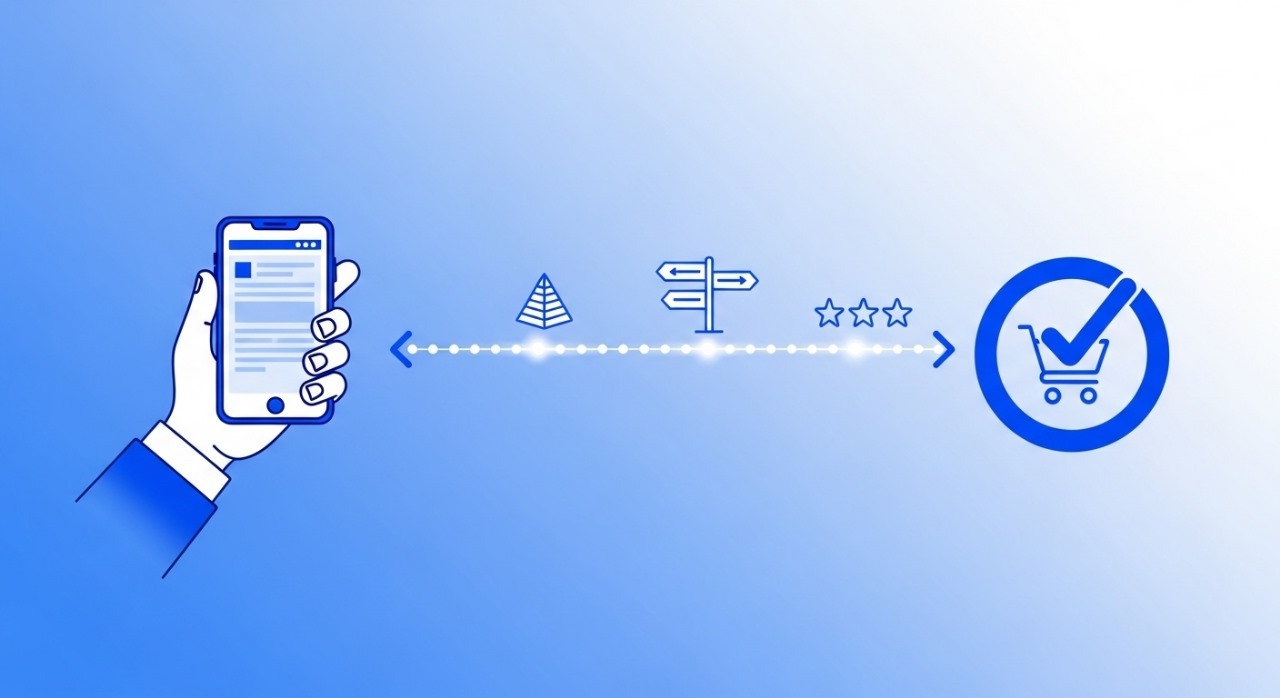
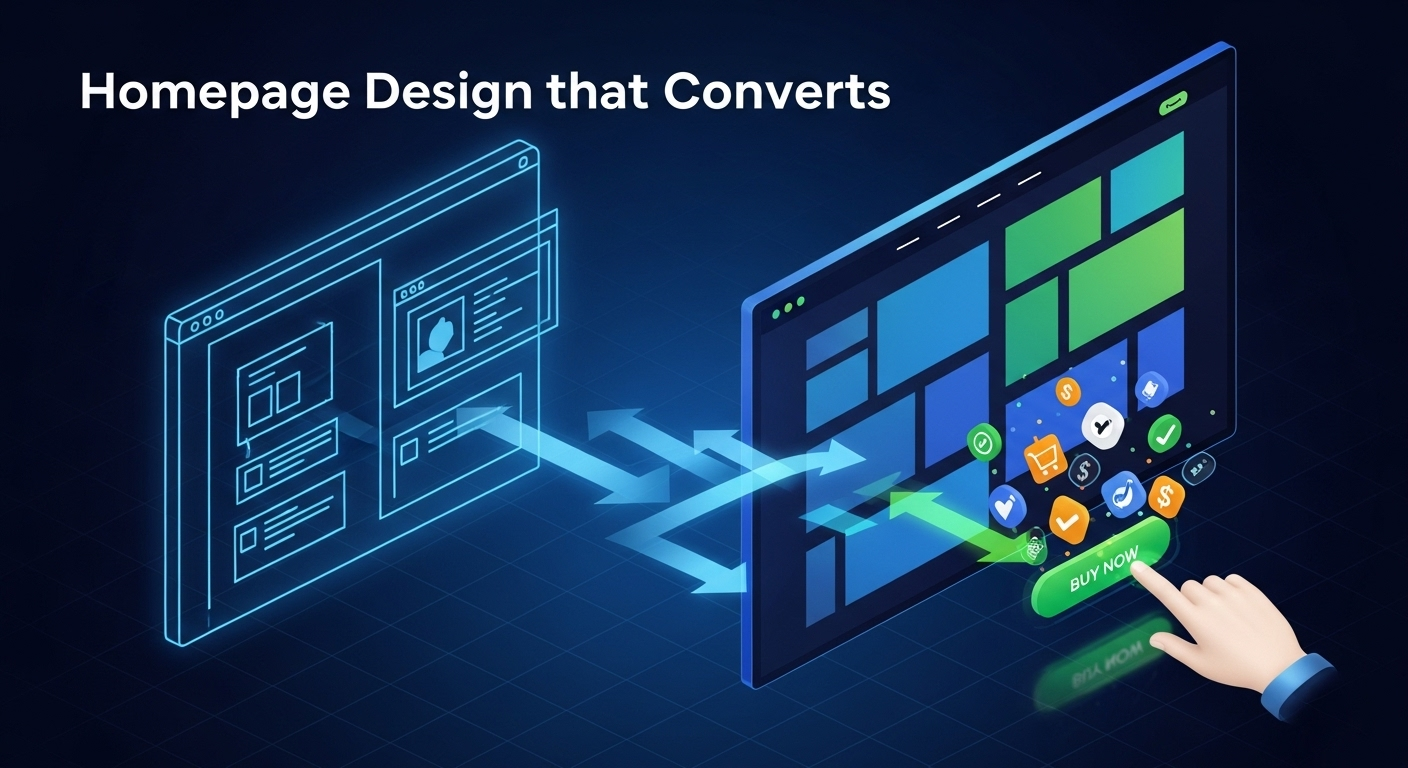
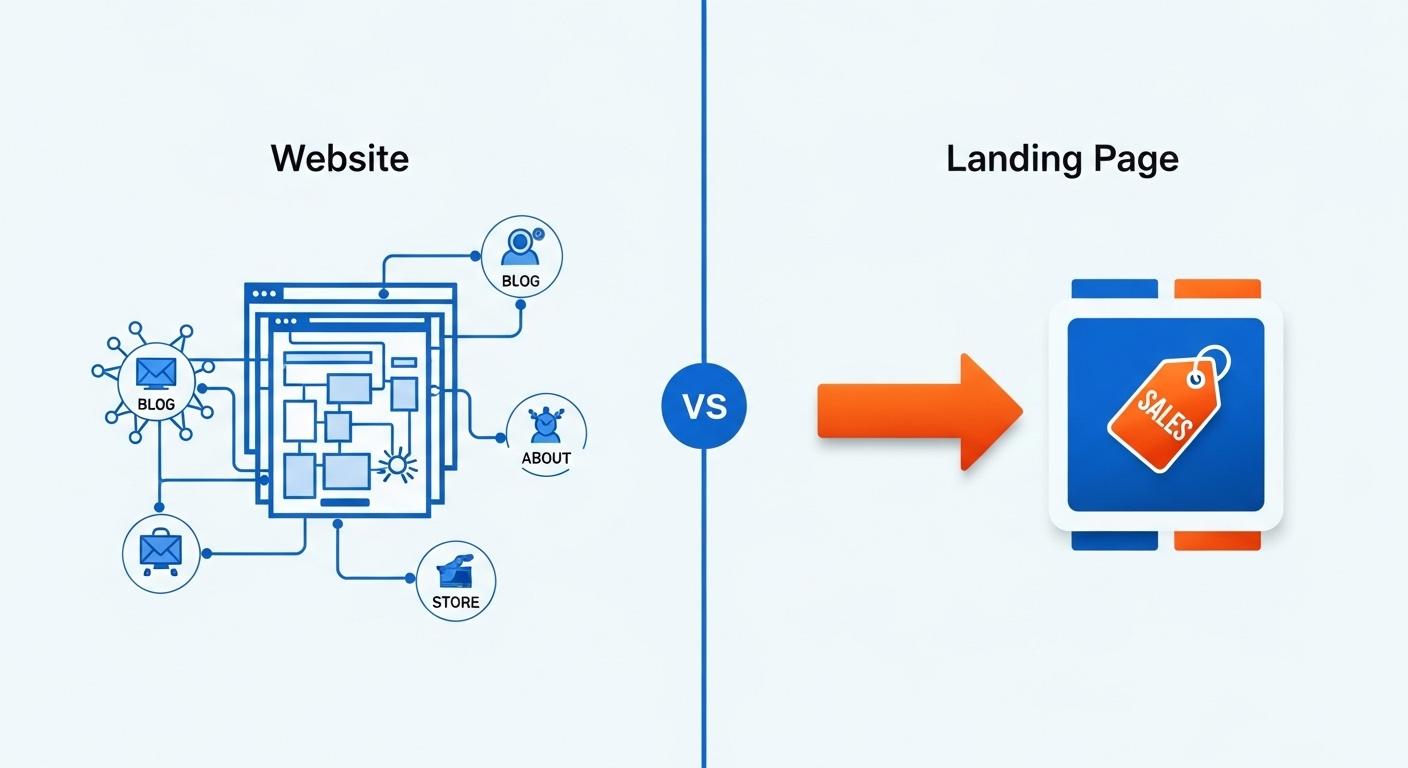
A beautiful design is ultimately ineffective if it doesn't convert. Your design strategies must be intrinsically linked to your business goals, guiding users toward desired actions. This means every element on your website, from the headline to the button color, should be optimized for conversion.
How can design build trust and credibility?
Trust is a crucial factor in the conversion process, especially for SaaS companies asking for a subscription. Good design can instill confidence and make potential customers feel secure.
- Your website's headline and subheading should immediately communicate the core benefit of your product.
- Use clear, compelling, and strategically placed Calls-to-Action (CTAs) to guide users through the conversion funnel.
- Build credibility by showcasing customer testimonials, case studies, and logos of well-known clients.
- Present your pricing structure clearly and transparently to avoid confusion and build trust.
- Ensure your website and application are fully responsive and optimized for a seamless mobile experience.
The Future of Design: Emerging Trends for 2025
The digital landscape is in a constant state of flux. Staying ahead of design trends will ensure your brand remains relevant and engaging. For 2025 and beyond, we're seeing a fascinating blend of technology and human-centric design principles taking center stage.
How is AI influencing digital design?
Artificial intelligence is rapidly becoming an indispensable tool for designers. It can automate repetitive tasks, generate design variations, and even offer predictive insights into user preferences. AI-powered tools can help create more personalized and efficient user experiences.
- AI-powered design tools are becoming powerful for everything from generating ideas to creating final brand assets.
- Immersive experiences with AR/VR are creating new opportunities for engaging and interactive user experiences.
- Minimalist Maximalism, a blend of clean aesthetics with bold, expressive elements, is on the rise.
- The importance of sound is growing, with audio becoming a more integral part of the digital experience.
- Abstracted explainer graphics are being used to explain complex products in a visually engaging way.
Conclusion: A Comprehensive Strategy for Sustainable Growth
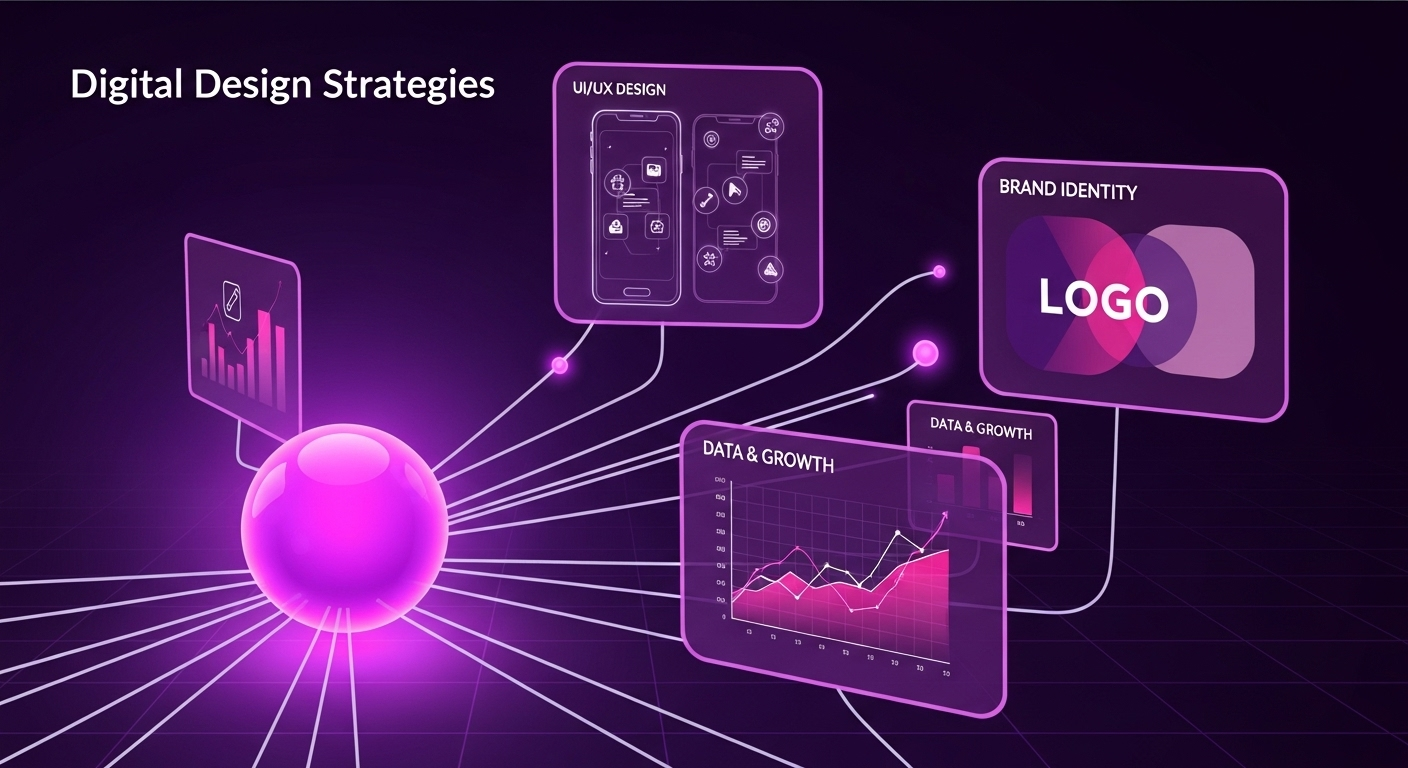
In 2025, a holistic and user-centric approach to digital design is non-negotiable for SaaS and tech brands. It's about creating a cohesive experience that seamlessly blends a strong brand identity with intuitive UI/UX and a data-driven, growth-oriented mindset. By implementing these comprehensive design strategies, you're not just creating a visually appealing product; you're building a powerful engine for sustainable growth. A well-executed design strategy can significantly boost conversion rates and foster long-term customer loyalty. Ready to elevate your brand's digital presence? Start by auditing your current design strategy and identifying key areas for improvement. The future is design-led, and it's time to embrace it!
People Also Ask
A digital design strategy is a comprehensive plan that outlines how a company will use design to achieve its business goals. It encompasses various aspects of design, including brand identity, user experience (UX), user interface (UI), and conversion rate optimization, to create a cohesive and effective digital presence.
While they share foundational principles, digital design and graphic design are distinct. Graphic design traditionally focuses on static, print-based media like logos and brochures. Digital design is created for digital platforms and often involves interactive elements, such as websites, apps, and animations, with a strong emphasis on user experience (UX) and user interface (UI).
The opposite of digital design is generally considered to be traditional or print design. This includes any design work intended for a physical medium, such as books, magazines, posters, and packaging. These designs are static and do not have the interactive capabilities of digital designs.
A graphic design strategy might involve creating a new logo and brand guidelines to reposition a company in the market. Another example is designing a series of print advertisements with a consistent visual theme to launch a new product. The strategy guides the visual communication to achieve specific business objectives.
Certainly. Think of the intuitive interface of your favorite mobile banking app, that's a great example of user-centric digital design. The seamless onboarding process of a project management tool like Asana or the visually engaging and interactive product demos you see on many SaaS websites are also prime examples. These designs prioritize ease of use and a positive user experience.